If you are planning a move within the Greater Toronto Area, two of the most popular destinations you will encounter are Scarborough and North York. Both are former independent cities that were amalgamated into the City of Toronto in 1998, and both are home to more than 600,000 residents each. They share many qualities — incredible cultural diversity, strong community identities, and a sense of being self-contained cities within the broader Toronto fabric. But they are also different in important ways that can significantly affect your quality of life, commute, and budget. In this guide, we compare Scarborough and North York across the dimensions that matter most to help you decide where to move.
Key Takeaways
- ✓Scarborough is more affordable with larger homes and lots, ideal for families on a budget
- ✓North York has superior subway access with direct downtown commutes of 20-35 minutes
- ✓Both districts are among Canada's most culturally diverse communities
- ✓North York suits young professionals; Scarborough suits families wanting space
- ✓Fast Track Move serves both areas with specialized local knowledge
Scarborough vs. North York at a Glance
| Category | Scarborough | North York |
|---|---|---|
| Avg. 1-Bed Rent | $1,500 - $1,900/mo | $1,700 - $2,200/mo |
| Detached Home Prices | $200K-$400K less than North York | Higher, especially Willowdale/Bayview |
| Subway Access | Limited (bus + Line 2 transfers) | Excellent (Line 1 + Line 4) |
| Commute to Downtown | 45+ minutes (rush hour) | 20-35 minutes (subway) |
| Housing Style | Detached homes, large lots | Mix of condos and detached homes |
| Best For | Families, first-time buyers | Young professionals, urban lifestyle |
| Nature Highlights | Scarborough Bluffs, Rouge Park | Don Valley trails, Downsview Park |
| Cultural Scene | South Asian, Chinese, Caribbean | Korean, Persian, Chinese |
Let us start with the factor that matters most to many people: cost of living. Scarborough is generally the more affordable of the two districts. Average monthly rent for a one-bedroom apartment in Scarborough typically ranges from $1,500 to $1,900, while comparable units in North York tend to run $1,700 to $2,200. The gap widens for home purchases — detached homes in Scarborough's established neighbourhoods like Agincourt, Woburn, or Highland Creek can sell for $200,000 to $400,000 less than equivalent properties in North York's Willowdale or Bayview Village. For first-time home buyers and newcomers to Canada working within a tight budget, Scarborough's lower price point is a significant advantage.
North York, while pricier, offers more variety in its housing market. The condo inventory along the Yonge-Sheppard corridor is extensive and modern, with dozens of buildings offering studios, one-bedrooms, and two-bedrooms across a range of price points. North York also has pockets of extreme luxury — York Mills and the Bridle Path are among the most expensive residential areas in all of Canada. For those who can afford it, North York provides a broader spectrum of housing options from affordable condos to multi-million-dollar estates.
Transit is one of the starkest differences between these two districts, and it is an area where North York holds a clear advantage. North York is served by two full subway lines: Line 1 Yonge-University, which runs through the heart of the district with stations at Finch, North York Centre, Sheppard-Yonge, and York Mills; and Line 4 Sheppard, which extends east from Sheppard-Yonge to Don Mills. This means large portions of North York have direct, rapid transit access to downtown Toronto, with commute times to Union Station ranging from 20 to 35 minutes depending on your starting station.
Scarborough's transit situation has historically been more challenging. The district is primarily served by bus routes and the Scarborough RT, which connects Kennedy station on Line 2 Bloor-Danforth to a handful of stops within Scarborough. However, Scarborough is undergoing a major transit transformation. The Scarborough subway extension will eventually replace the RT with a full subway connection, and the Eglinton Crosstown LRT will serve the district's southern edge along Eglinton Avenue. Until these projects are complete, however, many Scarborough residents face longer commutes involving bus-to-subway transfers that can push total travel times to downtown to 45 minutes or more during rush hour.
Planning a Move?
Get a free, no-obligation quote in under 2 minutes.
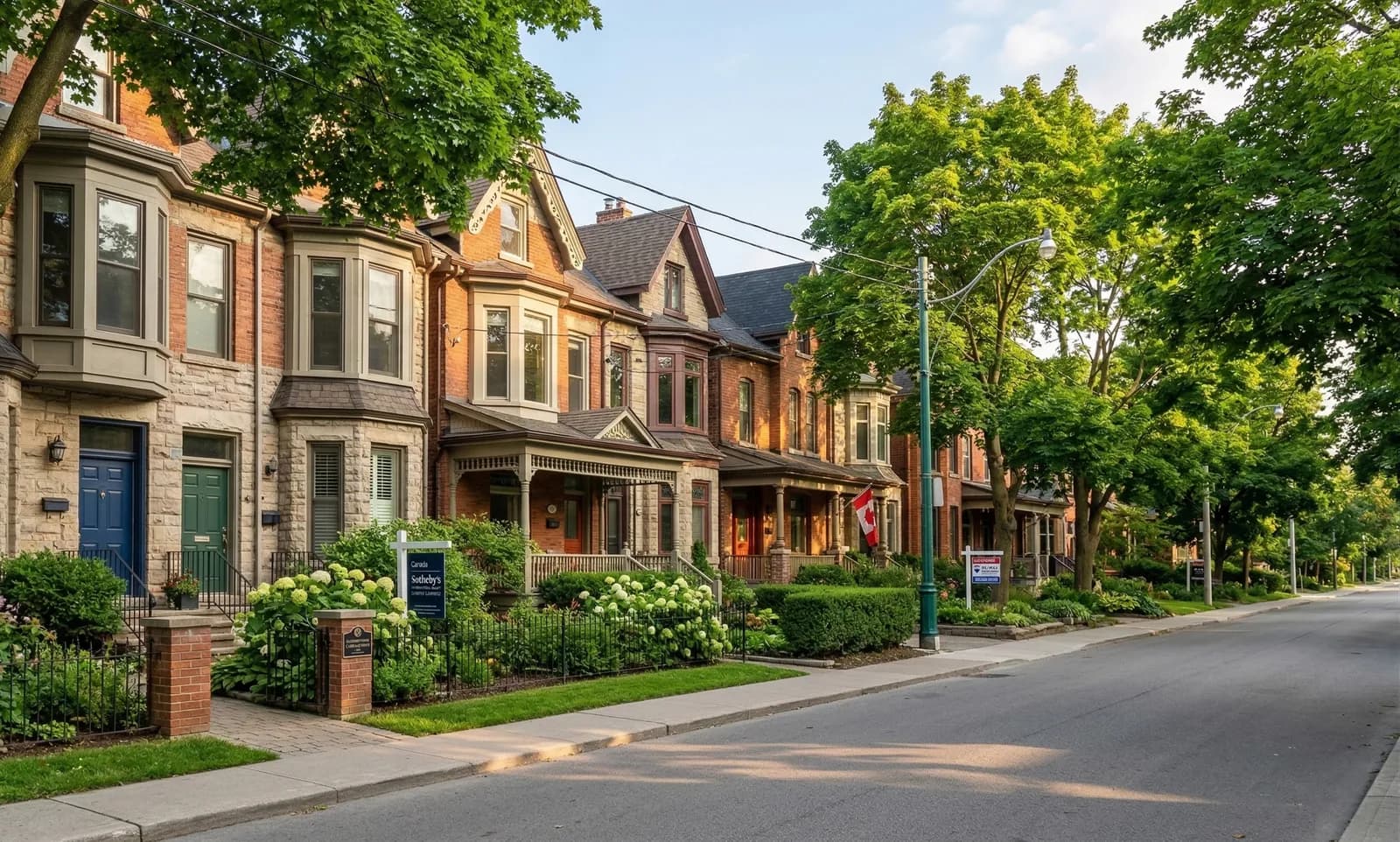
When it comes to space and housing style, Scarborough and North York offer different strengths. Scarborough is defined by its abundance of detached and semi-detached homes with generous lot sizes. Neighbourhoods like Guildwood, West Hill, and Rouge feature properties with large backyards, mature trees, and a genuinely suburban feel. If you are a family that wants space for kids to play, room for a garden, or simply a driveway to park two cars, Scarborough delivers that in spades.
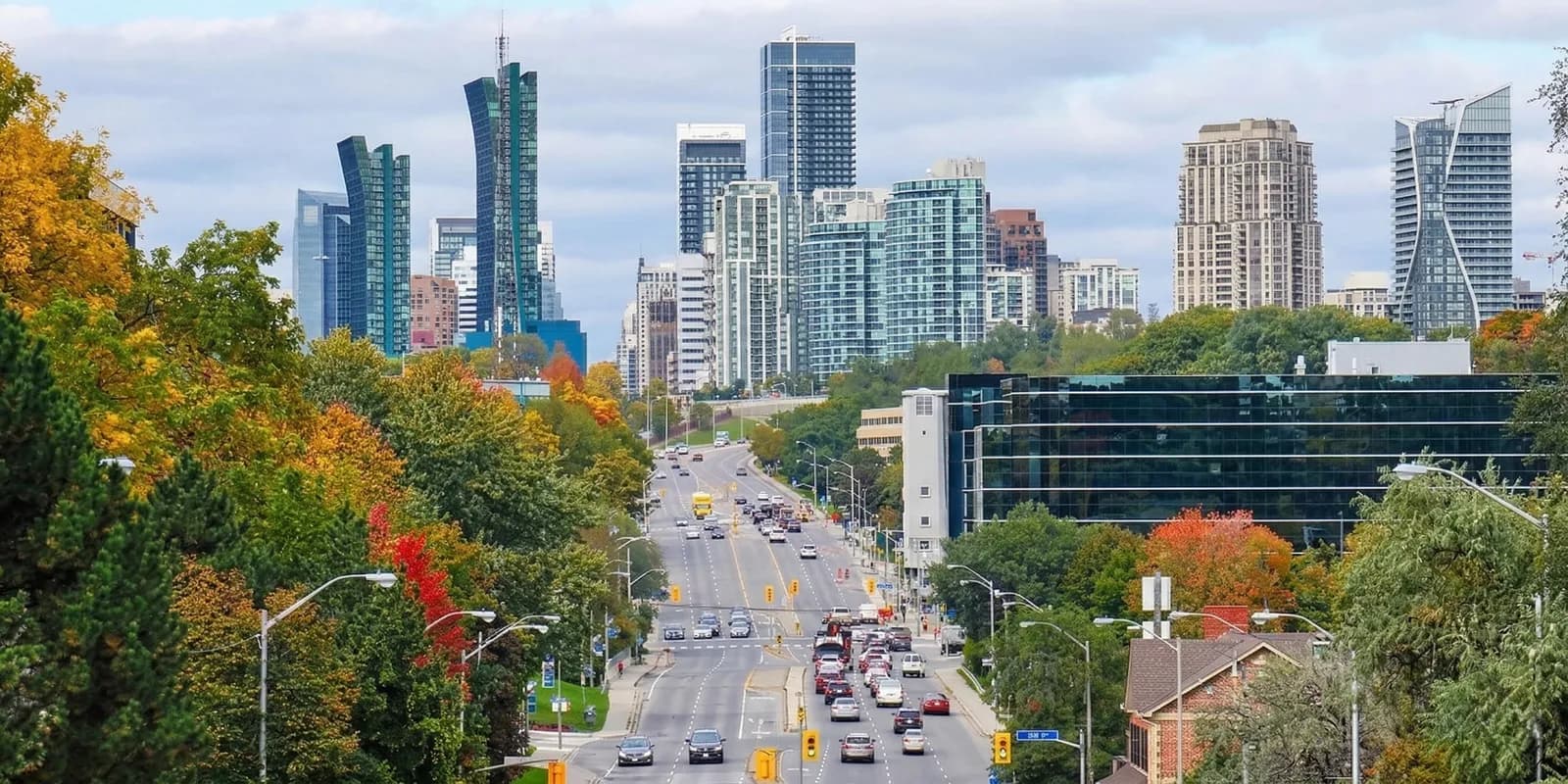
North York, by contrast, has undergone significant condo development over the past two decades, particularly along the Yonge and Sheppard corridors. While there are still plenty of detached homes in neighbourhoods like York Mills, Bayview Village, and Don Mills, the overall trend in North York is toward higher-density living. This is not necessarily a disadvantage — new condos come with modern amenities like fitness centres, rooftop terraces, and co-working spaces that many young professionals find appealing. But if your priority is square footage and outdoor space, Scarborough typically offers more for less.
Both Scarborough and North York are blessed with outstanding natural spaces, though they differ in character. Scarborough is home to the Scarborough Bluffs — a stunning 15-kilometre stretch of cliffs rising up to 65 metres above Lake Ontario. Bluffers Park at the base of the Bluffs offers a beach, marina, and picnic areas, and the views from the top are among the most spectacular in the entire Toronto region. The Rouge National Urban Park, Canada's first national urban park, occupies Scarborough's northeastern corner and offers hiking trails, wetlands, and a chance to experience genuine wilderness within the city limits.
North York's nature offerings are more integrated into the urban fabric. The Don Valley ravine system winds through the eastern portion of the district, providing an extensive network of walking and cycling trails. Downsview Park, at 231 acres, is one of the largest urban parks in the GTA and hosts events throughout the year. Earl Bales Park offers a ski and snowboard hill in winter — a rare feature within city limits. While North York cannot match the dramatic landscapes of the Bluffs or Rouge Park, its green spaces are more accessible for daily use, which many residents find more practical.
Cultural diversity is a defining feature of both districts, and this is where Scarborough and North York are most similar. Scarborough has long been one of the most culturally diverse places in Canada, with particularly strong South Asian, Southeast Asian, Chinese, and Caribbean communities. Neighbourhoods like Agincourt are renowned for their Chinese and Vietnamese restaurants, while areas like Woburn and Malvern have thriving South Asian shopping and dining scenes. Scarborough's cultural richness is reflected in its food, festivals, places of worship, and community organizations.
North York is equally diverse but with different cultural emphases. The district has one of the largest Korean communities in Canada, centred along the Yonge Street corridor between Finch and Sheppard. It is also home to significant Chinese, Persian, and Middle Eastern communities. The food scene in North York reflects this diversity — you can find world-class Korean barbecue, Persian kebab, Chinese hot pot, and Japanese ramen all within a few blocks of each other along Yonge Street. Both districts celebrate their diversity as a strength, and newcomers to Canada will find welcoming communities and settlement resources in either location.
For families, both districts have excellent schools, though the nature of the educational landscape differs somewhat. North York is home to several of Toronto's most sought-after public schools, including Earl Haig Secondary (with its renowned Claude Watson Arts Program), Bayview Secondary, and Don Mills Collegiate Institute. Scarborough counters with strong schools like Albert Campbell Collegiate Institute, Agincourt Collegiate Institute, and Sir John A. Macdonald Collegiate Institute. Both districts offer French immersion programs and have a mix of public and Catholic school options. Use the Toronto District School Board's school finder to check catchment areas for any home you are considering.
Family life in general favours Scarborough for those who prioritize space and affordability. Larger homes, bigger backyards, and lower costs mean families can stretch their budgets further. Scarborough also tends to have a slightly slower pace of life that some parents prefer. North York, on the other hand, edges out for families who value urban convenience — the superior subway access, walkable commercial streets, and concentration of amenities along the Yonge corridor make daily errands and activities easier to manage without a car.
For young professionals, North York has a clear advantage. The subway access is a game-changer for commuting, the Yonge-Sheppard corridor offers a vibrant food and social scene, and the abundance of modern condos provides housing options that suit the young professional lifestyle. Scarborough is catching up as new developments and improved transit come online, but as of 2026, North York is the more attractive option for young workers who want to balance affordability with urban living.
So what is the verdict? There is genuinely no wrong answer here — both Scarborough and North York are outstanding places to live, and the right choice depends entirely on your priorities. If you value affordability, space, dramatic natural landscapes, and do not mind a longer commute, Scarborough is an excellent choice. If you prioritize transit access, walkable urban living, a vibrant food scene, and modern condo amenities, North York is likely the better fit. Many people start in one district and eventually move to the other as their life circumstances change, and that is perfectly normal.
Whichever district you choose, Fast Track Move is ready to help you get there. We serve both Scarborough and North York extensively and know the unique logistics of each area — from the tight condo loading docks along Yonge-Sheppard to the tree-lined residential streets of Guildwood. Explore our North York area page at /areas/north-york or contact us for a free moving quote. Whether you are heading east or staying north, we will make your move fast, professional, and stress-free.